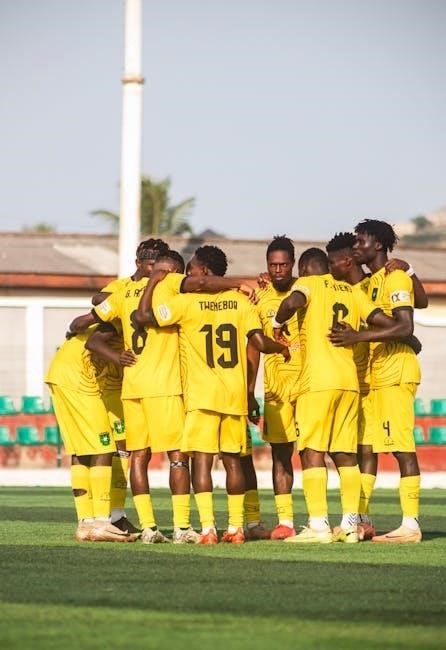
This comprehensive 6-week program, derived from professional European sides, prepares athletes for preseason, the season, or pro trials, utilizing a phased approach․
Since 2006, coaches have relied on proven drills and plans, emphasizing a vital pre-season foundation for a successful soccer campaign․
Importance of Pre-Season Training
Pre-season training is absolutely vital for a successful soccer season, serving as the cornerstone for building a team’s physical and tactical readiness․ A well-structured program, like this 6-week plan, minimizes injury risk by gradually increasing fitness levels and preparing the body for the demands of competition․
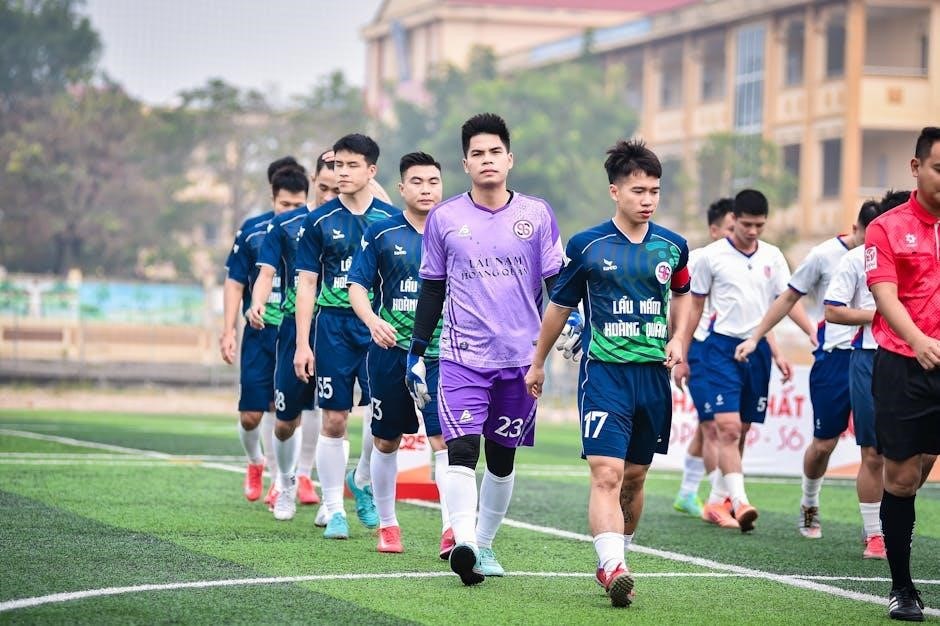
It’s not merely about getting “back into shape”; it’s about establishing an aerobic base, developing strength and endurance, and crucially, integrating technical skills with physical conditioning․ This holistic approach, drawing from professional European models, ensures players are not only fit but also soccer-specific in their preparation․
Effective pre-season training also fosters team cohesion and tactical understanding, laying the groundwork for a cohesive and competitive unit․ Ignoring this phase can lead to increased injuries, poor performance, and a compromised season․
Target Athlete Level (Youth, Amateur, Pro)
This 6-week pre-season program is designed for adaptability, catering to a broad spectrum of soccer players – from dedicated youth athletes striving for development, to ambitious amateurs seeking peak performance, and even aspiring professionals preparing for trials․
However, the intensity and volume of training should be carefully adjusted based on the athlete’s current fitness level and experience․ Youth players will require a more gradual progression and greater emphasis on fundamental movement skills, while amateur and pro athletes can handle higher workloads and more complex drills․
Coaches are encouraged to utilize the physical testing protocols outlined to assess player readiness and tailor the program accordingly, ensuring optimal results and minimizing the risk of overtraining or injury across all levels․
Program Overview: Phases and Goals
The 6-week program is strategically divided into three distinct phases, each building upon the previous one to maximize player conditioning and soccer-specific fitness․ Phase 1 (Weeks 1-2) focuses on establishing an aerobic base and injury prevention through low-intensity conditioning and dynamic stretching․
Phase 2 (Weeks 3-4) transitions to building strength and improving anaerobic capacity, incorporating bodyweight exercises, core work, and moderate-intensity endurance drills․ Finally, Phase 3 (Weeks 5-6) integrates technical skills with high-intensity interval training (HIIT) and game simulations․
The overarching goal is to prepare athletes physically and tactically for the demands of the season, ensuring they are robust, resilient, and ready to perform at their best from day one․

Phase 1: Foundation Building (Weeks 1-2)
This initial phase prioritizes establishing a solid aerobic base and proactively minimizing injury risk through focused conditioning and dynamic stretching routines․
Focus: Aerobic Base and Injury Prevention
The cornerstone of Phase 1 lies in developing a robust aerobic foundation, crucial for sustaining performance throughout the demanding season․ This is achieved through low-intensity conditioning, like jogging, coupled with active recovery sessions to promote blood flow and reduce muscle soreness․
Simultaneously, a dedicated dynamic stretching routine is implemented to enhance flexibility, range of motion, and prepare muscles for the increased demands of training․ This proactive approach significantly minimizes the risk of injuries, a key objective during the pre-season period․
Building this base allows players to safely progress to more intense training phases, ensuring they are physically prepared to handle the rigors of competition․ Prioritizing these elements sets the stage for a successful and injury-free season․
Week 1: Low-Intensity Conditioning
The initial week focuses on re-acclimating players to training, emphasizing low-intensity activities to avoid early-season overload․ Jogging forms the primary component, gradually increasing duration to build aerobic capacity without excessive strain․ Active recovery, such as light cycling or swimming, complements jogging, aiding muscle recovery and reducing fatigue․
Alongside this, a comprehensive dynamic stretching routine is essential․ This includes movements like leg swings, arm circles, and torso twists, preparing muscles and joints for more strenuous activity in subsequent weeks․
The goal is not to push limits, but to establish a consistent training habit and lay the groundwork for future intensity․ Monitoring player fatigue and adjusting volume accordingly is paramount during this introductory phase․
Jogging and Active Recovery
Jogging serves as the cornerstone of Week 1’s conditioning, prioritizing duration over speed․ Sessions begin with 20-30 minutes of continuous, easy-paced running, gradually increasing by 5-10 minutes each session․ The focus is on maintaining a conversational pace, ensuring players can comfortably hold a dialogue while running․ This builds an aerobic base without inducing significant fatigue․
Complementing jogging, active recovery is crucial․ Light activities like cycling, swimming, or walking promote blood flow, aiding muscle repair and reducing soreness․ These sessions should be low-intensity and enjoyable, lasting 15-20 minutes․
Strategic implementation of both minimizes the risk of injury and prepares the body for more demanding workouts ahead․
Dynamic Stretching Routine
A dynamic stretching routine is essential before each Week 1 session, preparing muscles for activity and enhancing range of motion․ Focus on controlled movements, rather than static holds․ Include leg swings (forward, backward, and lateral), arm circles, torso twists, and high knees․
Walking lunges with a twist and inchworms are also beneficial, activating multiple muscle groups simultaneously․ Each stretch should be performed for 10-15 repetitions, emphasizing proper form over speed․

This routine increases blood flow, improves flexibility, and reduces the risk of muscle strains, laying a solid foundation for the upcoming conditioning work․
Week 2: Increasing Volume – Extensive Interval Runs
Week 2 builds upon the aerobic base established in Week 1, introducing extensive interval runs to improve cardiovascular endurance․ These runs are ideally performed as the final exercise on the final training day, even independently․
The goal is to gradually increase the volume of running, preparing players for the demands of a full match․ Athletes should aim to complete these runs two days before the official start of pre-season․
Focus on maintaining a consistent pace throughout the intervals, prioritizing completion over speed․ This phase is crucial for building stamina and resilience․
Interval training is a cornerstone of pre-season conditioning, effectively enhancing both aerobic and anaerobic fitness․ It involves alternating between high-intensity bursts and periods of lower-intensity recovery, mimicking the demands of a soccer match․
This method significantly improves cardiovascular health, speed, and endurance․ It’s a progressive approach, starting with manageable intervals and gradually increasing the intensity and duration․
Proper execution is key; focus on maintaining good form during high-intensity periods and utilizing recovery periods for active rest․ This prepares the body for the rigors of the upcoming season․
Progression of Interval Distances
The progression of interval distances is crucial for avoiding injury and maximizing adaptation․ Initially, athletes should begin with shorter intervals, focusing on proper technique and controlled intensity; As fitness improves, the distance of these intervals can be gradually increased․
Figure 16 highlights this progression, suggesting athletes perform these final exercises on the last training day of each week, ideally independently․ The final extensive interval run should occur two days before the official pre-season start date․
Careful monitoring of player fatigue is essential during this phase, adjusting distances based on individual responses and ensuring adequate recovery between sessions․
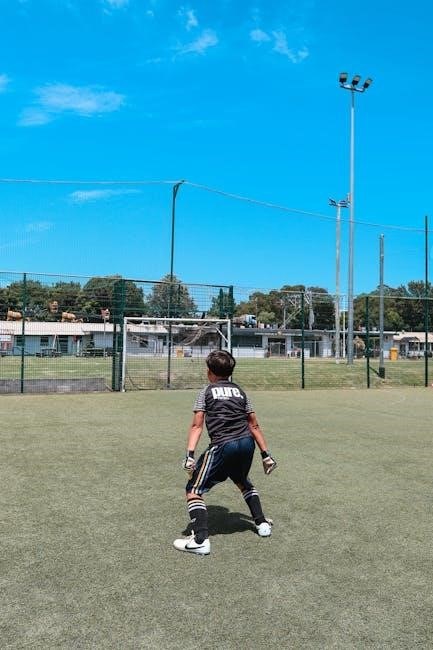
Phase 2: Strength and Endurance (Weeks 3-4)
This phase builds strength and anaerobic capacity, incorporating bodyweight exercises, core work, shuttle runs, agility drills, and small-sided games with conditioning focus․
Focus: Building Strength and Improving Anaerobic Capacity
Weeks 3 and 4 prioritize developing both muscular strength and the body’s ability to perform high-intensity bursts of activity – crucial for soccer’s demands․ This is achieved through a dual approach, combining dedicated strength training sessions with endurance work designed to push anaerobic thresholds․
The strength component focuses on foundational movements utilizing bodyweight exercises like squats, lunges, and push-ups, building a base before potentially adding external weights․ Simultaneously, core strengthening exercises are implemented to enhance stability and power transfer․
Alongside strength work, endurance training shifts towards moderate intensity, incorporating shuttle runs and agility drills to improve speed and change of direction․ Small-sided games are also utilized, but with a specific conditioning focus, demanding sustained high-intensity efforts from players․
Strength Training Component
This phase emphasizes building a solid strength base to support soccer-specific movements and reduce injury risk․ The initial focus is on mastering proper form with bodyweight exercises, creating a foundation before progressing to more challenging variations or external loads․
Key exercises include squats, targeting the legs and glutes for explosive power, lunges for unilateral strength and balance, and push-ups to develop upper body strength and core stability․ These movements mimic common actions in a soccer match․
Complementing these, a dedicated core strengthening component is vital․ Exercises targeting the abdominal and lower back muscles enhance stability, improve power transfer, and protect against injuries․ A strong core is fundamental for efficient movement and overall athletic performance․
Bodyweight Exercises (Squats, Lunges, Push-ups)
These foundational exercises form the cornerstone of the strength training component, requiring no equipment and focusing on proper technique․ Squats build lower body power, crucial for jumping, sprinting, and tackling, emphasizing controlled descent and explosive ascent․ Lunges enhance unilateral strength, mimicking single-leg actions during dribbling and cutting, improving balance and coordination․
Push-ups develop upper body strength, essential for shielding the ball, contesting challenges, and maintaining posture․ Variations can be introduced to modify difficulty, such as incline or decline push-ups․
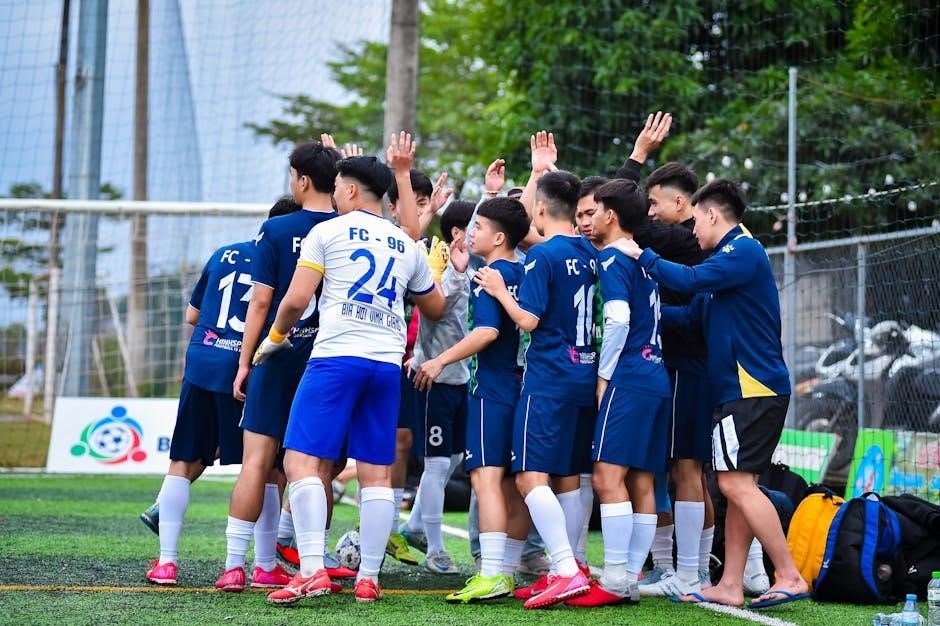
Proper form is paramount; prioritize quality over quantity․ Focus on maintaining a neutral spine, engaging core muscles, and controlled movements throughout each exercise to maximize effectiveness and minimize injury risk․
Core Strengthening Exercises
A robust core is fundamental for soccer players, providing stability, power transfer, and injury prevention․ Exercises should target all core muscle groups – rectus abdominis, obliques, and lower back․ Planks, in various forms (forearm, high plank, side plank), build isometric strength and endurance, enhancing postural control․
Russian twists, utilizing bodyweight or a light medicine ball, strengthen the obliques, improving rotational power for shooting and passing․ Bicycle crunches engage both the rectus abdominis and obliques, promoting dynamic core stability․
Lower back extensions (supermans) counter balance abdominal work, preventing muscle imbalances․ Consistent core work improves on-field performance and reduces the risk of strains and sprains․
Endurance Training – Moderate Intensity
Moderate-intensity endurance work builds a crucial aerobic base, essential for sustaining effort throughout matches․ Shuttle runs, varying distances and recovery times, improve cardiovascular fitness and agility․ These drills mimic the stop-start nature of soccer, enhancing the body’s ability to recover quickly between sprints․
Agility drills, incorporating cones and ladders, develop footwork, coordination, and change-of-direction speed․ Small-sided games (SSGs) with a conditioning focus – for example, 4v4 with limited touches – integrate technical skills with physical demands․
SSGs promote tactical awareness and decision-making under fatigue, simulating game conditions․ Maintaining a moderate intensity allows for higher volume, building endurance without excessive strain․
Shuttle Runs and Agility Drills
Shuttle runs are a cornerstone of moderate-intensity endurance training, effectively mimicking the intermittent sprints and recovery periods inherent in soccer․ Varying distances – from 20 to 50 meters – and work-to-rest ratios challenge cardiovascular fitness and anaerobic capacity․
Agility drills, utilizing cones, hurdles, and agility ladders, enhance footwork, coordination, and change-of-direction speed․ These drills improve neuromuscular control, reducing the risk of injury and boosting on-field responsiveness;
Focus on quick feet, low center of gravity, and explosive movements․ Incorporate lateral shuffles, carioca, and bounding exercises to develop multi-directional agility․ Proper technique is paramount to maximize benefits and prevent strain․
Small-Sided Games with Conditioning Focus
Small-sided games (SSGs) are invaluable for integrating conditioning with technical and tactical development․ Reduced pitch sizes and fewer players increase the frequency of sprints, changes of direction, and ball touches, replicating game demands․
Modify rules to emphasize specific conditioning goals․ For example, limiting touches encourages quicker passing and movement, while requiring a certain number of passes before shooting builds endurance․ Vary game formats – 3v3, 4v4, 5v5 – to challenge players differently․
Focus on high-intensity efforts with short recovery periods․ SSGs provide a fun and engaging way to improve cardiovascular fitness, anaerobic capacity, and tactical awareness simultaneously․
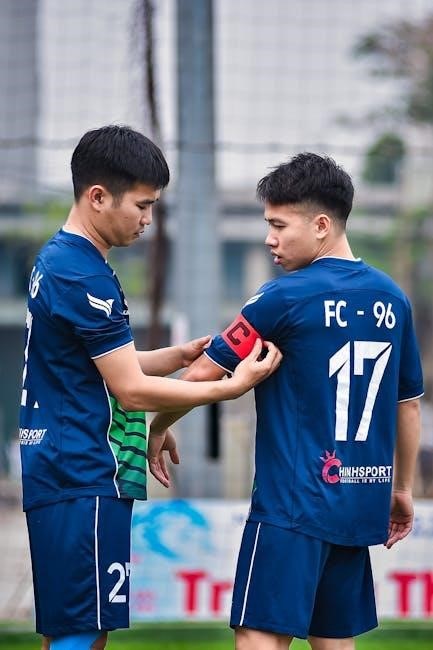
Phase 3: Soccer-Specific Fitness (Weeks 5-6)
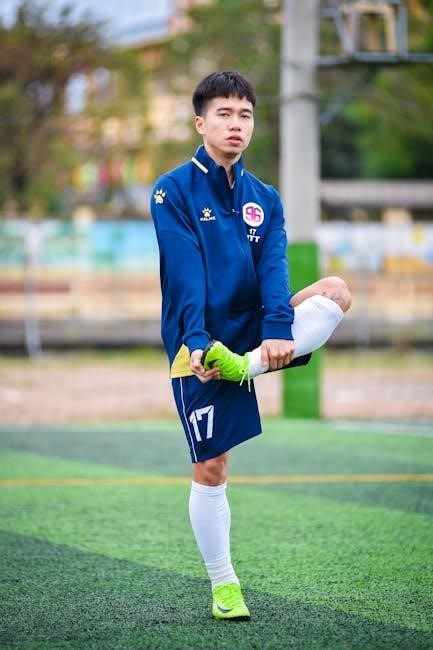
This final phase integrates technical skills with peak physical conditioning, employing high-intensity interval training and game simulations for optimal preparation․
Focus: Integrating Technical Skills with Physical Conditioning
The core objective of this phase is to seamlessly blend rigorous physical demands with essential soccer techniques․ This isn’t merely about fitness; it’s about applying that fitness within the context of the game․
High-Intensity Interval Training (HIIT) takes center stage, utilizing soccer-specific drills designed to mimic the bursts of activity experienced during a match․ These drills aren’t isolated exercises; they demand technical proficiency alongside physical exertion․
Recovery protocols are paramount, ensuring players can consistently perform at high intensity․ Furthermore, possession-based drills, executed at a high tempo, and realistic game simulations are implemented to refine tactical understanding and decision-making under pressure․
This phase aims to create players who are not only fit but also technically sharp and tactically astute, ready to compete at their best from the first whistle․
High-Intensity Interval Training (HIIT)
This phase introduces High-Intensity Interval Training (HIIT) as a cornerstone of preparation, pushing players beyond their comfort zones to enhance anaerobic capacity and game-specific endurance․ HIIT sessions aren’t random sprints; they are carefully structured to replicate the demands of a soccer match․
Soccer-specific drills, such as repeated sprints with ball control, agility courses incorporating passing, and short-sided game scenarios with intense pressing, are utilized․ These drills demand both physical and technical prowess simultaneously․
Crucially, recovery protocols are integrated, including active recovery periods and proper hydration, to mitigate fatigue and prevent injury․ Effective recovery is as vital as the intensity itself․
The goal is to build resilience and the ability to repeatedly perform high-intensity actions throughout a 90-minute game․
Soccer-Specific HIIT Drills
These drills directly translate field demands into high-intensity bursts․ Shuttle runs mimicking defensive recovery sprints, combined with immediate ball control upon reaching a designated point, are fundamental․ Another drill involves repeated 30-second sprints with a ball, followed by 30 seconds of active recovery – dribbling or light passing․
Small-sided games (3v3, 4v4) with limited space force constant high-intensity movement and quick decision-making․ Emphasis is placed on pressing, transitioning, and attacking with speed․
Cone drills incorporating passing and shooting challenge players to maintain technique under fatigue․ Variations include figure-eight runs with passing targets and sprint-shoot combinations․
These drills are designed to replicate the intermittent nature of soccer, improving players’ ability to recover and repeat high-intensity efforts․
Recovery Protocols for HIIT Sessions
Effective recovery is paramount after demanding HIIT sessions․ Immediate post-exercise involves a cool-down of 5-10 minutes, consisting of light jogging and dynamic stretching, focusing on major muscle groups used during the drill․
Nutrition plays a crucial role; athletes should consume a carbohydrate and protein-rich snack within 30-60 minutes to replenish glycogen stores and aid muscle repair․ Hydration is equally vital – consistent fluid intake throughout the day is essential․
Active recovery days, such as light swimming or cycling, promote blood flow and reduce muscle soreness․
Prioritizing sleep (7-9 hours) allows the body to fully recover and adapt to the training stimulus․ Monitoring player fatigue levels and adjusting subsequent sessions accordingly is also key․
Technical and Tactical Integration
Phase 3 seamlessly blends physical conditioning with soccer-specific skills․ Possession-based drills, executed at high intensity, challenge players to maintain technique under fatigue, enhancing decision-making and passing accuracy․
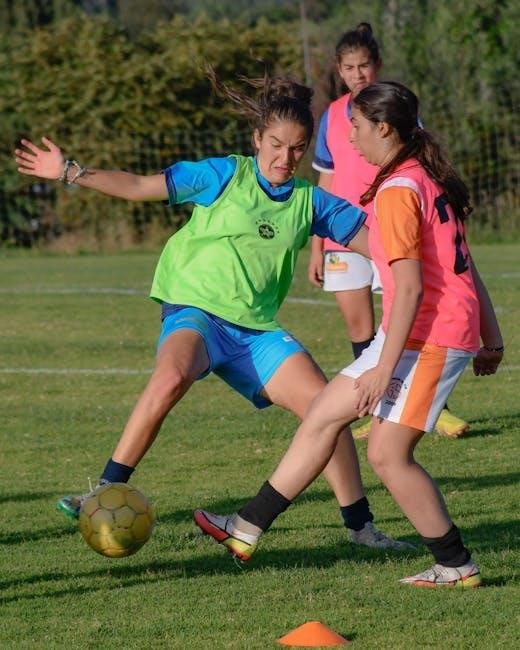
These drills aren’t just about ball control; they emphasize movement off the ball, creating passing lanes, and supporting teammates․ Tactical awareness is sharpened through game simulations, replicating match scenarios with focused objectives․
Small-sided games with specific tactical constraints (e․g․, playing out from the back, quick transitions) force players to apply their skills in a game context․
This integration ensures players aren’t just physically fit, but also tactically astute and technically proficient, ready for the demands of the season․
Possession-Based Drills with High Intensity
These drills demand constant movement, quick passing, and intelligent positioning․ Players are challenged to maintain possession under pressure, forcing them to think quickly and execute skills accurately while fatigued․ Variations include limited-touch exercises, directional passing patterns, and incorporating defensive pressure from rotating players․
The intensity is key; drills are performed at a high tempo, mimicking the demands of a game․ Emphasis is placed on first-touch control, passing weight, and supporting angles․
Small-sided games (3v3, 4v4) within confined spaces further enhance the intensity and require constant scanning and decision-making․
These sessions build not only technical skill but also tactical understanding and the ability to perform under pressure․
Game Simulations and Tactical Work
Full-sided or reduced-sided games, mirroring competitive scenarios, are crucial for integrating physical conditioning with tactical application․ These simulations focus on implementing pre-determined tactical approaches, such as pressing strategies, build-up play from the back, and attacking transitions․
Coaches introduce specific tactical problems during the game, requiring players to adapt and problem-solve in real-time․ Emphasis is placed on communication, movement off the ball, and decision-making under fatigue․
Post-game analysis is vital, reviewing video footage to identify tactical successes and areas for improvement․
These simulations bridge the gap between training drills and actual game situations, preparing players mentally and tactically for the challenges ahead․

Monitoring and Adjustment
Regular physical testing and player feedback are essential for program evaluation․ Adjustments should be made based on individual progress and responses to training loads․
Physical Testing Protocol
A robust physical testing protocol is crucial for gauging player readiness and tracking progress throughout the 6-week pre-season program․ Initial assessments, conducted before the program begins, should include baseline measurements of aerobic capacity – perhaps a timed run covering a specific distance – and anaerobic power, potentially through sprint tests․
Strength evaluations, assessing key muscle groups utilized in soccer, are also vital․ Throughout the program, periodic re-testing, ideally every two weeks, allows for data-driven adjustments to training intensity and volume․ Ontario Soccer guidelines provide a framework for standardized testing procedures․
Key metrics to monitor include sprint speed, agility, endurance, and strength gains․ This data informs individualized training plans and helps identify players at risk of overtraining or injury, ensuring a safe and effective pre-season preparation․
Importance of Player Feedback
Gathering consistent player feedback is paramount to the success of the 6-week pre-season program․ Regularly soliciting input – through questionnaires, one-on-one conversations, or team meetings – provides invaluable insights into how players are responding to the training load․
Understanding perceived exertion levels, muscle soreness, and any emerging discomfort allows for proactive adjustments to the program, preventing potential injuries and optimizing performance․ Honest feedback fosters a collaborative environment, increasing player buy-in and motivation․
This iterative process ensures the program remains adaptable and tailored to the specific needs of the team, maximizing its effectiveness․ Ignoring player feedback risks pushing athletes beyond their limits or failing to address individual concerns, hindering overall progress․
Adjusting the Program Based on Progress
Regular physical testing, coupled with player feedback, dictates necessary program adjustments throughout the 6-week pre-season․ Initial assessments establish baseline fitness levels, and subsequent tests – conducted weekly or bi-weekly – track improvements in key areas like endurance, strength, and agility․
If players demonstrate rapid progress, the intensity or volume of training can be increased accordingly․ Conversely, if progress plateaus or declines, modifications are crucial․ This might involve reducing the workload, altering exercise selection, or incorporating more recovery time․
A flexible approach ensures the program remains challenging yet manageable, preventing overtraining and maximizing adaptation․ Ignoring objective data and subjective feedback risks hindering player development and increasing the risk of injury․