
Hill’s Puppy Food Feeding Guide: A Comprehensive Plan
Navigating puppyhood requires understanding nutritional needs‚ and Hill’s Science Diet provides a roadmap for optimal growth. This guide details feeding schedules‚
variety choices‚ and adjustments based on breed‚ activity‚ and weight—ensuring a healthy‚ happy companion.
With Hill’s‚ you also contribute to the Food‚ Shelter & Love program‚ aiding over 100‚000 shelter pets daily!
Understanding Your Puppy’s Nutritional Needs
Puppies require a carefully balanced diet‚ significantly different from adult dogs‚ to support their rapid growth and development. Hill’s Science Diet Puppy food is formulated with precise levels of protein‚ fats‚ carbohydrates‚ vitamins‚ and minerals – essential building blocks for strong muscles‚ bones‚ and a healthy immune system.
During this crucial phase‚ puppies need higher levels of calories per pound of body weight than adult dogs. This energy fuels their playful exploration and supports the development of vital organs. Specifically‚ calcium and phosphorus are vital for proper bone growth‚ particularly in large breed puppies‚ where controlled growth is paramount to prevent skeletal issues.
Hill’s puppy food includes essential amino acids‚ crucial for muscle development and overall health. It’s not simply about quantity; the quality of ingredients matters. Hill’s utilizes high-quality protein sources‚ like chicken‚ to ensure optimal nutrient absorption. Remember‚ a well-nourished puppy is more likely to become a healthy‚ vibrant adult dog‚ and consulting your veterinarian is key to tailoring a plan to your puppy’s individual needs.
Factors Influencing Feeding Amounts
Determining the correct amount of Hill’s puppy food isn’t a one-size-fits-all equation. Several key factors influence your puppy’s nutritional requirements. Age is paramount; younger puppies need more frequent‚ smaller meals to support their rapid growth‚ while older puppies can transition to fewer‚ larger feedings.
Breed size is a significant determinant. Large breed puppies have different calcium and calorie needs than small or medium breeds to ensure controlled bone development. Activity level also plays a crucial role – a highly active puppy will burn more calories and require a larger food portion than a more sedentary one.
Individual metabolism varies between puppies‚ and even the amount of treats or other food given throughout the day impacts the required amount of kibble. Always consider these supplemental additions when calculating daily intake. Finally‚ your veterinarian’s guidance is invaluable; they can assess your puppy’s body condition and adjust feeding amounts accordingly‚ ensuring optimal health and preventing over or underfeeding.
Hill’s Science Diet Puppy Food Varieties
Hill’s Science Diet offers a diverse range of puppy food formulations designed to meet the specific needs of growing dogs. The core offerings are categorized primarily by breed size – Small/Medium Breed and Large Breed – each formulated with tailored nutrient profiles. Chicken & Brown Rice is a popular recipe across both categories‚ providing a palatable and easily digestible source of protein and carbohydrates.
Beyond breed size‚ Hill’s also provides options addressing specific sensitivities. Sensitive Stomach & Skin formulas utilize gentle‚ easily digestible ingredients to minimize digestive upset and promote healthy skin and coat. For puppies needing extra support‚ there are options enriched with DHA for brain and eye development.
All Hill’s Science Diet Puppy foods are formulated with high-quality protein‚ essential vitamins‚ minerals‚ and amino acids crucial for healthy growth. They are backed by scientific research and veterinary recommendations‚ ensuring a complete and balanced diet for your developing puppy. Choosing the right variety sets the foundation for a lifetime of health and wellbeing.
Hill’s Science Diet Small/Medium Breed Puppy Food
Hill’s Science Diet Small & Medium Breed Puppy food is specifically formulated for puppies expected to weigh less than 50 pounds as adults; This formula recognizes that smaller breeds have different developmental needs than larger breeds‚ particularly regarding energy density and nutrient concentration.
A key feature is the inclusion of high-quality protein to support lean muscle development‚ alongside balanced calcium and phosphorus for strong bones and teeth. The kibble size is also optimized for smaller mouths‚ making it easier for puppies to chew and digest. Chicken is a frequently featured protein source‚ offering excellent palatability.
This variety supports healthy brain and eye development through the inclusion of DHA from fish oil. It’s designed to provide complete and balanced nutrition‚ ensuring puppies receive all the essential nutrients they need during this critical growth phase. Consistent feeding‚ guided by the Hill’s feeding chart‚ is vital for optimal development.
Hill’s Science Diet Large Breed Puppy Food
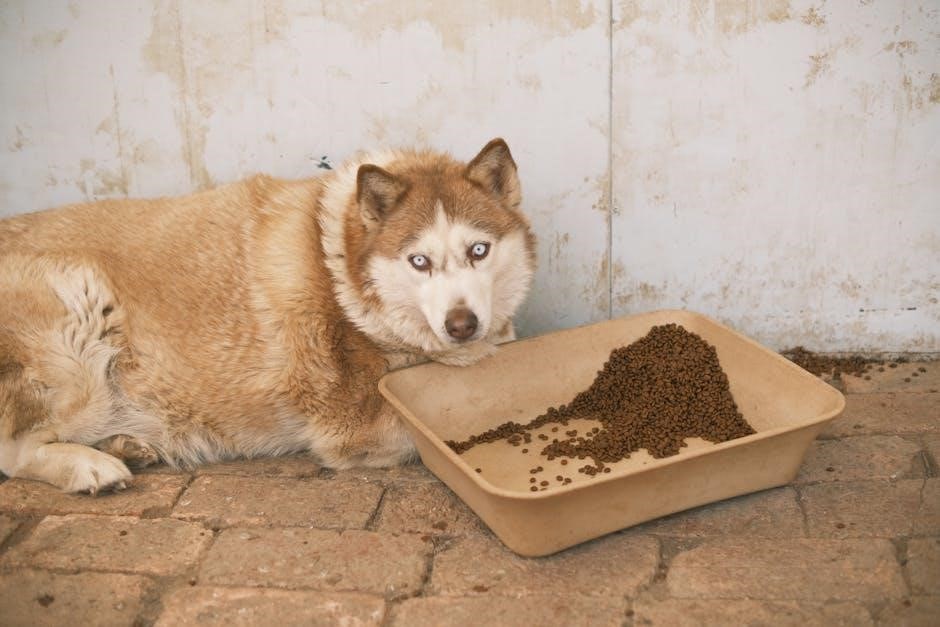
Hill’s Science Diet Large Breed Puppy food is meticulously crafted for puppies anticipated to reach a weight of 50 pounds or more as adults. Large breed puppies have unique developmental needs‚ particularly concerning bone growth‚ and this formula addresses those specific requirements.
A crucial aspect of this food is the controlled calcium content. Rapid growth in large breed puppies can lead to skeletal issues‚ and carefully balanced calcium levels promote healthy bone development‚ minimizing the risk of problems like hip dysplasia. It often features a delicious chicken flavor to encourage consumption.
The formula also includes high-quality protein to support lean muscle mass and provides essential nutrients for brain and eye development. DHA from fish oil plays a vital role in cognitive function. Feeding based on the expected adult weight‚ not current weight‚ is paramount‚ as indicated on the Hill’s feeding chart. Consistent monitoring and adjustments are key to a healthy‚ strong large breed puppy.
Decoding the Hill’s Puppy Feeding Chart

The Hill’s Puppy Feeding Chart is your primary tool for determining appropriate portion sizes‚ but understanding how to read it is crucial. It’s organized by your puppy’s current weight and their expected adult weight – a key distinction! Don’t base the amount solely on your puppy’s present size.
Locate your puppy’s current weight along the left-hand column. Then‚ find the column corresponding to their projected adult weight. The intersection of these two points will indicate the recommended daily feeding amount‚ typically measured in cups.
Remember this is a starting point. Factors like activity level‚ metabolism‚ and individual needs necessitate adjustments. The chart provides a baseline‚ but observing your puppy’s body condition (see section on monitoring) is vital.
The chart will also specify how to divide the daily amount into multiple meals. Puppies generally require more frequent‚ smaller meals than adult dogs. Always consult your veterinarian for personalized guidance.
Feeding Based on Expected Adult Weight
Hill’s feeding recommendations prioritize your puppy’s future size‚ not their current weight. This is particularly important for breeds with significant growth potential. Estimating your puppy’s adult weight accurately is therefore essential for proper nutrition.
If you’re unsure of your puppy’s breed mix and potential adult size‚ consult your veterinarian. They can assess your puppy’s physical characteristics and provide a reasonable estimate. Breed standards offer guidance‚ but individual variation exists.
Why focus on adult weight? Puppies require different nutrient ratios depending on their expected mature size. Large breed puppies‚ for example‚ need controlled calcium levels to prevent rapid bone growth and potential skeletal issues.
The feeding chart utilizes adult weight categories to ensure your puppy receives the appropriate balance of protein‚ fat‚ and minerals. Using the incorrect weight estimate can lead to deficiencies or imbalances‚ impacting their long-term health and development. Accurate estimation is key to a thriving puppy!

Puppy Feeding Schedule: 6-12 Weeks

During the 6-12 week period‚ frequent‚ small meals are crucial for supporting rapid growth and development. Puppies at this age have small stomachs and high energy demands‚ necessitating multiple feedings throughout the day.
Typically‚ puppies in this age range should be fed four times daily. This consistent schedule aids digestion and prevents hypoglycemia (low blood sugar)‚ a common concern in young puppies. Follow the Hill’s feeding chart‚ referencing your puppy’s expected adult weight to determine the appropriate portion size per meal.
Ensure fresh water is always available. Monitor your puppy’s appetite and adjust portions slightly if needed‚ but avoid overfeeding. A consistent feeding routine helps establish good habits and aids in housetraining.

Transitioning from weaning: If your puppy is newly transitioned from their mother’s milk‚ gradually increase the amount of solid food while decreasing the frequency of supplemental feedings. Observe stool consistency and adjust accordingly. This stage is vital for building a strong foundation for lifelong health!
Puppy Feeding Schedule: 3-6 Months
As your puppy grows between 3 and 6 months‚ their nutritional needs continue to evolve‚ demanding adjustments to their feeding schedule. While still requiring frequent meals‚ you can begin to reduce the number of feedings per day.
A recommended schedule is three meals daily. Continue to consult the Hill’s Science Diet puppy food feeding chart‚ using your puppy’s expected adult weight as the guide – not their current weight. This ensures they receive the appropriate amount of nutrients for controlled growth‚ especially important for large breed puppies.
Monitor their body condition closely. You should be able to feel‚ but not easily see‚ their ribs. Adjust portion sizes based on activity level and individual metabolism. Ensure constant access to fresh‚ clean water.
This period is crucial for bone development‚ particularly in larger breeds. Hill’s Large Breed Puppy formulas are specifically designed with optimal calcium levels to support healthy skeletal growth. Consistent monitoring and adjustments are key to a thriving puppy!
Puppy Feeding Schedule: 6-12 Months
Between 6 and 12 months‚ your puppy is nearing adulthood‚ but still requires puppy-specific nutrition to support continued growth and development. This phase marks a transition period‚ demanding careful attention to feeding adjustments.
Generally‚ two meals per day are sufficient during this stage. Continue referencing the Hill’s Science Diet feeding chart‚ utilizing your puppy’s projected adult weight to determine appropriate portion sizes; Remember‚ individual needs vary‚ so observation is crucial.
Monitor your puppy’s body condition regularly. You should be able to feel their ribs easily‚ but they shouldn’t be prominently visible. Adjust food intake based on activity levels and weight gain or loss.
Large breed puppies may still benefit from a large breed-specific formula to ensure optimal calcium-to-phosphorus ratios for controlled bone growth. Preparing for the eventual transition to adult food is also important‚ but avoid switching prematurely. Consistent monitoring and adjustments are vital for a healthy‚ well-adjusted young dog!
Transitioning to Adult Food

Typically‚ around 12 months of age‚ most puppies are ready to transition to an adult dog food formula. However‚ large breed puppies may benefit from staying on a large breed puppy formula slightly longer‚ up to 18-24 months‚ to support continued‚ controlled growth.
The transition should be gradual‚ over 7-10 days‚ to avoid digestive upset. Begin by mixing a small amount of the adult food (approximately 25%) with 75% of the puppy food. Gradually increase the proportion of adult food each day‚ decreasing the puppy food accordingly.
Monitor your dog’s stool consistency during the transition. Soft stools can indicate the transition is happening too quickly; If this occurs‚ slow down the process.
Choose a Hill’s Science Diet adult formula appropriate for your dog’s size and activity level. Continue to adjust portion sizes based on their body condition and weight. Remember to consult with your veterinarian for personalized recommendations‚ ensuring a smooth and healthy transition to adulthood!
Adjusting Food Intake Based on Activity Level
A puppy’s activity level significantly impacts their caloric needs. Highly active puppies – those engaging in frequent play‚ training sessions‚ or outdoor adventures – will require more food than their more sedentary counterparts.
Observe your puppy’s energy levels and body condition. A playful‚ energetic puppy maintaining a healthy weight likely needs the recommended amount‚ or even slightly more‚ as indicated on the Hill’s Science Diet packaging.
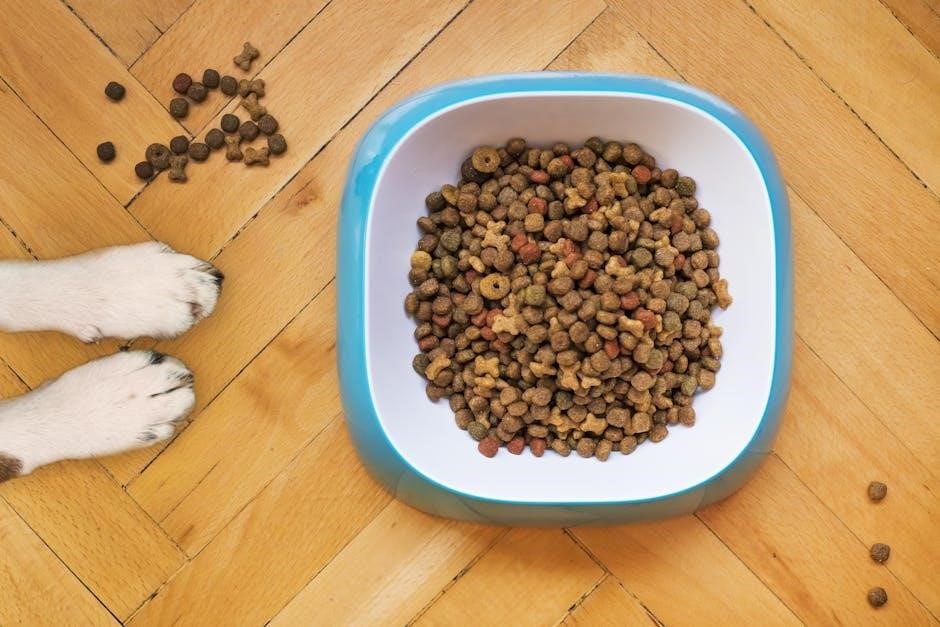
Conversely‚ less active puppies may need a reduced portion size to prevent weight gain. Monitor for signs of overfeeding‚ such as difficulty feeling their ribs or a noticeable increase in body fat.

Remember‚ the feeding guidelines are starting points. Adjustments are crucial! Work closely with your veterinarian to determine the optimal caloric intake for your puppy‚ considering their individual metabolism and exercise routine. Consistent monitoring and adjustments will ensure they thrive at every stage of development.
Don’t forget treats count towards daily caloric intake!
Monitoring Your Puppy’s Body Condition
Regularly assessing your puppy’s body condition is vital for ensuring they are receiving the correct amount of nutrition. Visual assessment and tactile evaluation are key components of this process.
Ideally‚ you should be able to feel‚ but not easily see‚ your puppy’s ribs. A thin layer of fat should cover them. You should also be able to observe a visible waistline when viewed from above‚ and a slight abdominal tuck when viewed from the side.
If ribs are prominently visible with little to no fat cover‚ your puppy may be underweight and needs more food. Conversely‚ if you can’t feel the ribs without pressing firmly‚ or if there’s no visible waistline‚ your puppy may be overweight and requires a reduced portion size.
Consistent monitoring‚ ideally weekly‚ allows for timely adjustments to their diet. Consult your veterinarian if you have concerns about your puppy’s weight or body condition. They can provide personalized guidance and rule out any underlying health issues.
Early intervention is key to preventing obesity and promoting a long‚ healthy life!
Recognizing Signs of Overfeeding or Underfeeding
Detecting imbalances in your puppy’s diet is crucial for their healthy development. Both overfeeding and underfeeding present distinct signs that require attention and potential dietary adjustments.
Signs of overfeeding include rapid weight gain‚ difficulty feeling ribs due to excessive fat‚ and a lack of a visible waistline. Your puppy might also exhibit decreased energy levels and reluctance to exercise. Overfeeding‚ especially in large breed puppies‚ can contribute to skeletal problems.
Underfeeding manifests as visible ribs and spine‚ a sunken appearance between the shoulder blades‚ and a generally lethargic demeanor. A puppy that isn’t receiving enough calories may struggle to maintain body temperature and could experience stunted growth.
Changes in stool consistency can also be indicative of dietary issues. Diarrhea or constipation could signal an imbalance. Regularly monitoring your puppy’s weight and body condition score‚ alongside observing these behavioral and physical cues‚ is essential. Consult your veterinarian if you notice any concerning signs.
Proactive observation ensures your puppy receives the optimal nourishment for a thriving life!
The Role of Treats in Your Puppy’s Diet
Treats can be a valuable tool for training and bonding with your puppy‚ but moderation is key. They should complement‚ not replace‚ a complete and balanced diet like Hill’s Science Diet Puppy food.
Treats should ideally constitute no more than 10% of your puppy’s daily caloric intake. Excessive treats can lead to weight gain‚ nutritional imbalances‚ and picky eating habits; Opt for healthy treat options specifically formulated for puppies‚ avoiding those high in sugar‚ fat‚ or artificial ingredients.
When using treats for training‚ choose small‚ low-calorie options. Break larger treats into smaller pieces to extend their use during training sessions. Consider using a portion of your puppy’s daily kibble as treats to maintain a balanced diet.

Always adjust your puppy’s meal portions accordingly when offering treats. Reduce the amount of kibble given at mealtimes to compensate for the extra calories from treats. Be mindful of treats given by family members or during walks to avoid overfeeding.
Responsible treat-giving supports positive reinforcement and a healthy lifestyle for your growing pup!
Hill’s Food‚ Shelter & Love Program
Choosing Hill’s Science Diet isn’t just an investment in your puppy’s health; it’s a contribution to a larger cause – supporting shelter pets in need. The Hill’s Food‚ Shelter & Love program is a remarkable initiative dedicated to improving the lives of homeless animals across the globe.
With every purchase of Hill’s Science Diet‚ you directly help provide over 100‚000 shelter pets with vital nourishment every single day‚ 365 days a year. This consistent support ensures these animals receive the high-quality nutrition they deserve while awaiting their forever homes.
The program extends beyond simply providing food. Hill’s collaborates with shelters‚ rescue organizations‚ and veterinary professionals to offer resources and expertise‚ promoting overall animal welfare.
You can learn more about the program and its impact at hillsfoodshelterlove.com. Discover success stories‚ find ways to get involved‚ and understand how your choice of pet food makes a tangible difference. It’s a heartwarming way to nourish your own puppy while simultaneously extending compassion to animals in need.
Hill’s: Nourishing lives‚ one bowl at a time.